Eclipse Season: When the Cosmos Calls for Change
By Camilla · October 16, 2026
Eclipse season is a period of roughly 34 days, occurring twice a year, when the Sun, Moon, and Earth align in such a way that we experience a pair of eclipses—one solar and one lunar. These celestial events, far from being mere astronomical curiosities, are traditionally seen in astrology as powerful catalysts for rapid change, sudden revelations, and significant shifts in our personal and collective paths.
What Happens During Eclipse Season
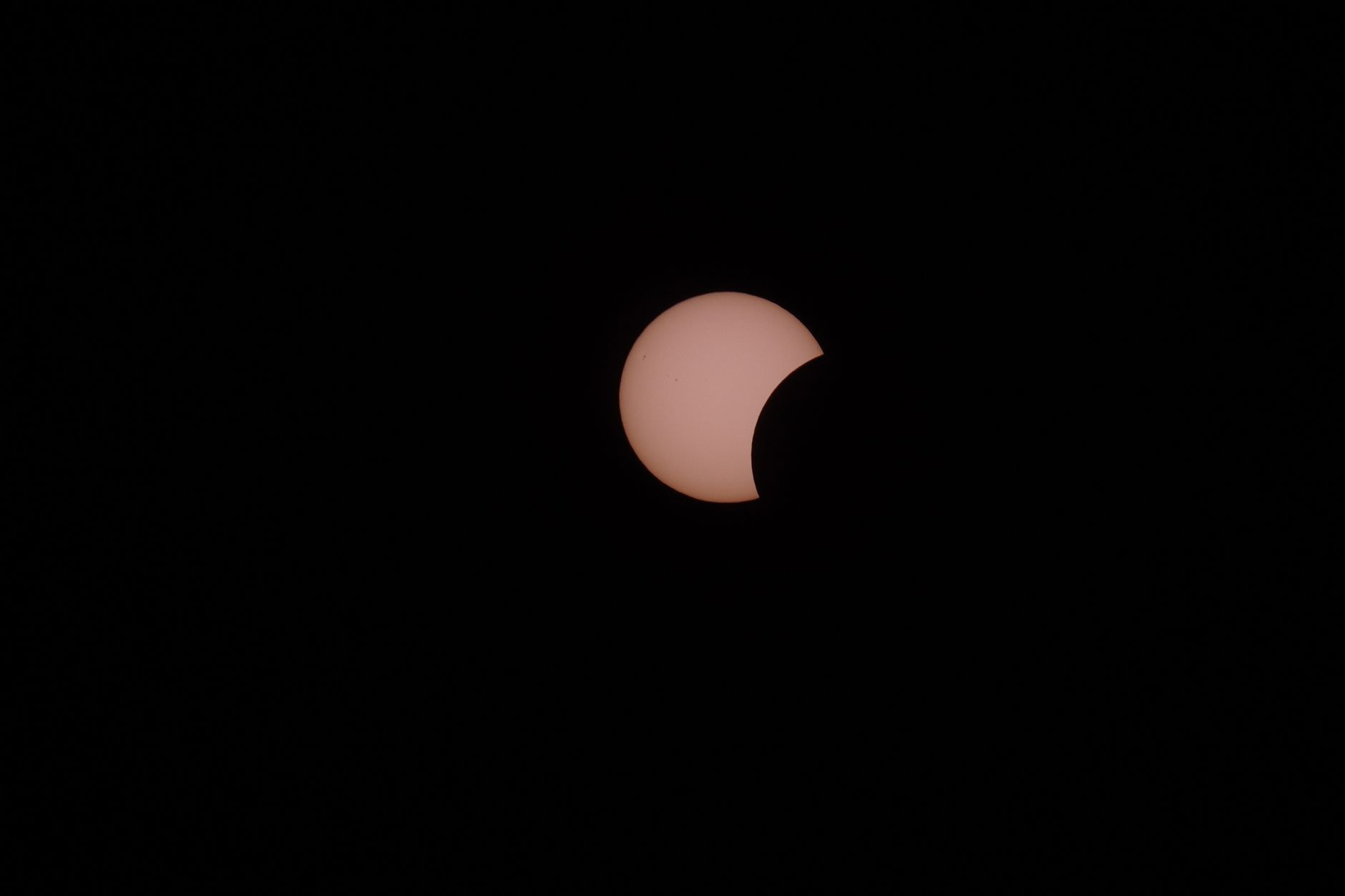
During an eclipse season, we typically experience two eclipses: a solar eclipse and a lunar eclipse. A solar eclipse happens when the Moon passes directly between the Sun and Earth, briefly blocking the Sun's light from our perspective. Astrologically, solar eclipses are like super-charged new moons, initiating new beginnings, planting seeds for the future, and often bringing sudden opportunities or unexpected departures. They tend to be more outwardly focused, signaling fresh starts or the closing of a chapter that allows for a new one to begin. A lunar eclipse, on the other hand, occurs when the Earth passes directly between the Sun and Moon, casting a shadow on the Moon. These are like intensified full moons, bringing matters to a head, illuminating hidden truths, and signaling culminations, releases, or endings. Lunar eclipses often deal with emotional breakthroughs, relationship dynamics, and things coming to light that have been brewing beneath the surface.
The "season" itself is defined by the Moon's nodes—the two points where the Moon's orbit crosses the Earth's orbit around the Sun. Eclipses can only occur when the Sun is close to these nodal points. As the Moon's nodes slowly move backward through the zodiac, the signs where eclipses occur also shift, bringing different areas of our lives into focus over an 18-month cycle. For instance, if the nodes are in Aries and Libra, the eclipses will occur in those signs, highlighting themes of individuality versus partnership, self-assertion versus compromise. Aether's precise calculations of these planetary movements and alignments allow us to pinpoint exactly when and where these powerful cosmic doorways open, giving us a clear picture of the energies at play.
Why Eclipse Season Matters in Astrology
In astrology, eclipses are not gentle nudges; they are often described as cosmic wild cards or fate accelerators. They tend to bring about fated events, unexpected turns, and swift changes that might otherwise take months or even years to unfold. Think of them as cosmic resets, often clearing out what no longer serves us to make way for something new and more aligned with our true path. The changes they bring aren't always easy, as they can sometimes feel abrupt or even disruptive, but they are almost always purposeful, guiding us toward our destiny.
The impact of an eclipse is felt most strongly by those whose birth chart has significant planets or points (like your Sun sign, Moon sign, or Ascendant, which is the sign rising on the eastern horizon at your birth) at the exact degree of the eclipse, or in the same zodiac sign. For example, if a lunar eclipse happens at 20 degrees Scorpio, and you have your Sun at 20 degrees Scorpio, you're likely to feel its effects very personally, perhaps experiencing a significant culmination or revelation related to your identity or life purpose. Even if an eclipse doesn't directly hit a point in your chart, its energy still reverberates, creating a general atmosphere of change and heightened awareness for everyone. It’s a time when the veil between worlds feels thinner, and intuition can be particularly strong, making it an excellent period for introspection and paying attention to signs and synchronicities.
Navigating the Energies of Eclipse Season
Because eclipses are so potent, traditional astrological advice often suggests a period of observation rather than initiation during eclipse season. It's generally not recommended to start major new projects, make huge life decisions, or force outcomes right around an eclipse. Instead, it's a time for reflection, release, and allowing events to unfold naturally. Think of it as a time when the universe is making decisions for you, or at least showing you the path forward, sometimes whether you're ready for it or not!
Instead of trying to control the narrative, it can be incredibly beneficial to surrender to the process. Use this time to journal, meditate, and pay close attention to your dreams, as they can be especially vivid and symbolic during eclipse season. What relationships are shifting? What old patterns are falling away? What new opportunities are unexpectedly presenting themselves? These are the questions to ponder. The effects of an eclipse can linger for up to six months, so the changes initiated during an eclipse season often continue to unfold and integrate into our lives long after the astronomical event itself has passed. It's a powerful reminder that while we can't always control what happens to us, we can always choose how we respond, and eclipse season truly puts that wisdom to the test.
Frequently Asked Questions
How often does eclipse season happen?
Eclipse season happens twice a year, roughly every six months. Each season lasts about 34 days and contains both a solar and a lunar eclipse.
Are eclipses always "bad" or disruptive?
Not at all! While eclipses can bring sudden or unexpected changes, these changes are often necessary for growth and can lead to positive new beginnings or much-needed releases. They are more about destiny and alignment than inherently good or bad.
How long do the effects of an eclipse last?
The immediate impact of an eclipse can be felt for a few weeks before and after the event itself. However, the themes and changes initiated by an eclipse can continue to unfold and integrate into your life for up to six months, sometimes even longer, until the next eclipse season.