What Is a Saturn Return, and Why Does It Actually Matter?
By Camilla · July 26, 2026
If you're approaching 29, or you've heard someone half-joke that "everything falls apart at 30," you've brushed up against the Saturn Return — one of the most talked-about ideas in popular astrology, and one of the few that actually rests on simple orbital fact rather than pure interpretation.
The orbital fact underneath it
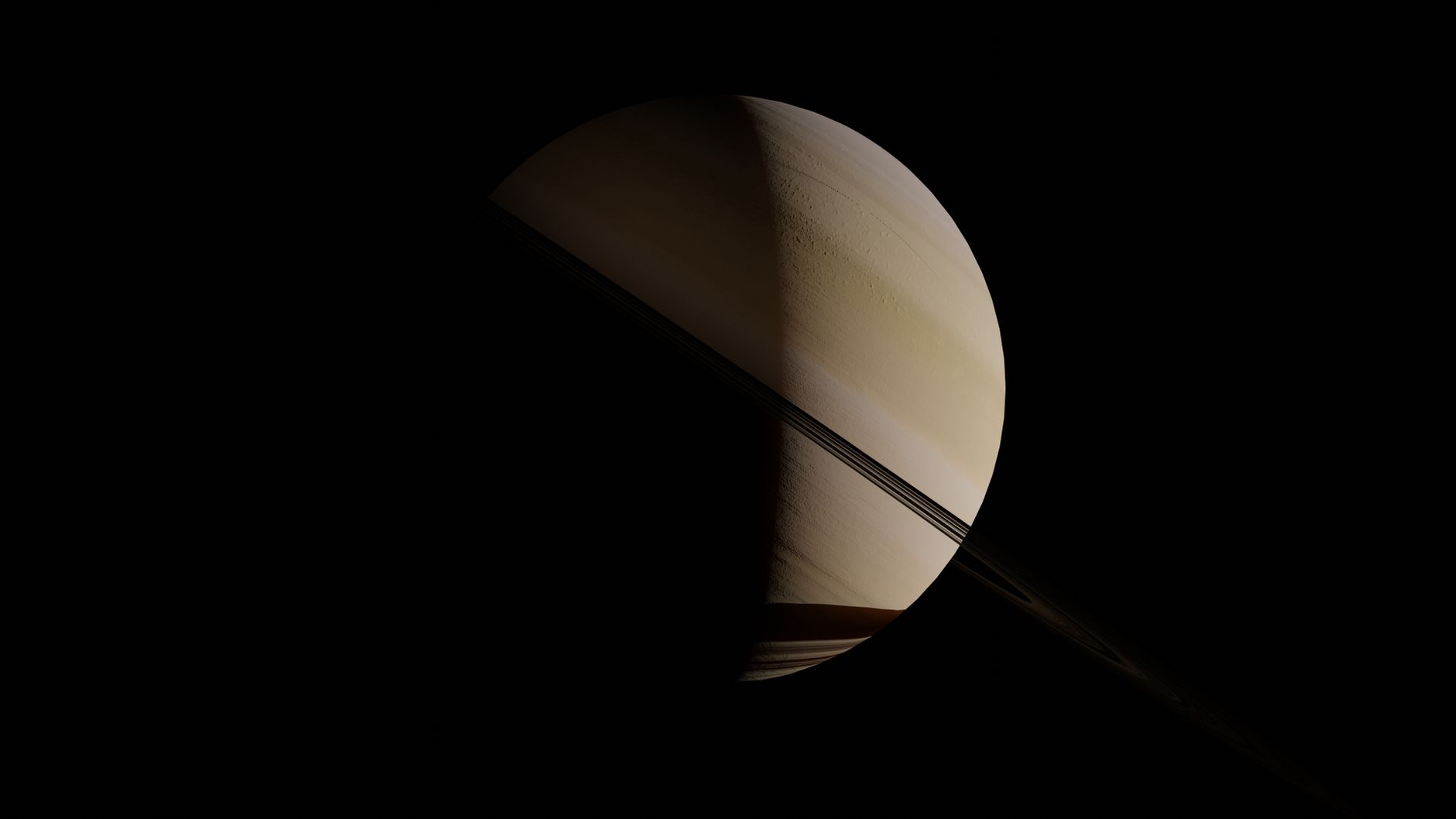
Saturn takes roughly 29.5 years to complete one full orbit of the Sun. That means every 29.5 years, give or take, Saturn arrives back at the exact zodiac degree it occupied the moment you were born — a real, calculable event, not a metaphor. It happens on a predictable rhythm: a first return around age 29-30, a second around 58-59, and for those who live long enough, a third around 87-88.
What it's traditionally read to mean
Saturn is traditionally associated with structure, responsibility, limits, and the slow accumulation of consequences — the planet of "doing the work" rather than instant reward. A return of Saturn to its natal position is traditionally read as a kind of audit: a period where the structures you've built (career, relationships, habits, commitments) get tested, and the ones that were built on weak foundations tend to show it. That's the basis for the popular idea that your late 20s bring a reckoning — traditional astrology frames it less as bad luck and more as Saturn asking whether what you built can actually hold weight.
This is an interpretive tradition, not a scientific claim — there's no controlled study showing people's lives change at 29.5-year intervals. What's real is the orbital mechanics; what a return means for you is a traditional reading laid on top of that fact.
Why the exact degree matters
A Saturn Return isn't a single day — Saturn's apparent motion includes retrograde periods, so it typically crosses back over your natal degree three separate times across roughly a year before moving on for good. The exact timing depends on precisely where Saturn sat at your moment of birth, which is why a real computed natal chart matters here: a generic "Saturn Return happens at 29" answer can be off by a year or more in either direction depending on your specific birth data.
If you want to see exactly when yours lands rather than estimate it, Aether's natal chart calculator computes Saturn's real position from your birth data for free, and the Planet Ingress and Ephemeris tools can show you exactly when transiting Saturn will cross back over that same degree.